Building a custom home is exciting…right up until the questions race through your mind at 2 a.m.
How long does the process actually take?
What happens if the land has problems?
How do permits work?
What costs are people forgetting about?
How do you know whether a builder is giving you realistic numbers?
Over the years, we’ve helped families throughout Ohio, Indiana, and Kentucky work through these questions step by step. We’re experts when it comes to the full custom home building process, and we’re all about clear expectations, detailed land evaluations, transparent budgeting, and long-term planning.
So, if you’re wondering how to build a custom home, here’s your guide to what the process actually looks like from start to finish.
There are many personal reasons you might build a home. Maybe you’ve outgrown your current house and need more room. Or you want privacy, more land, a better school district, or a multi-generational home that works better for aging in place. You might be tired of remodeling older homes that still never fully become what you want.
For some, this is the home they plan to stay in for decades. That changes how they think about layout, maintenance, accessibility, and long-term comfort. Building a custom home gives you more control over those decisions from the beginning.
Before anything else happens, it helps to answer a few foundational questions:
-
What is your all-in budget?
-
Do you already own land?
-
When do you realistically want to move?
-
What matters most to your family and lifestyle?
Those conversations shape every step that follows.
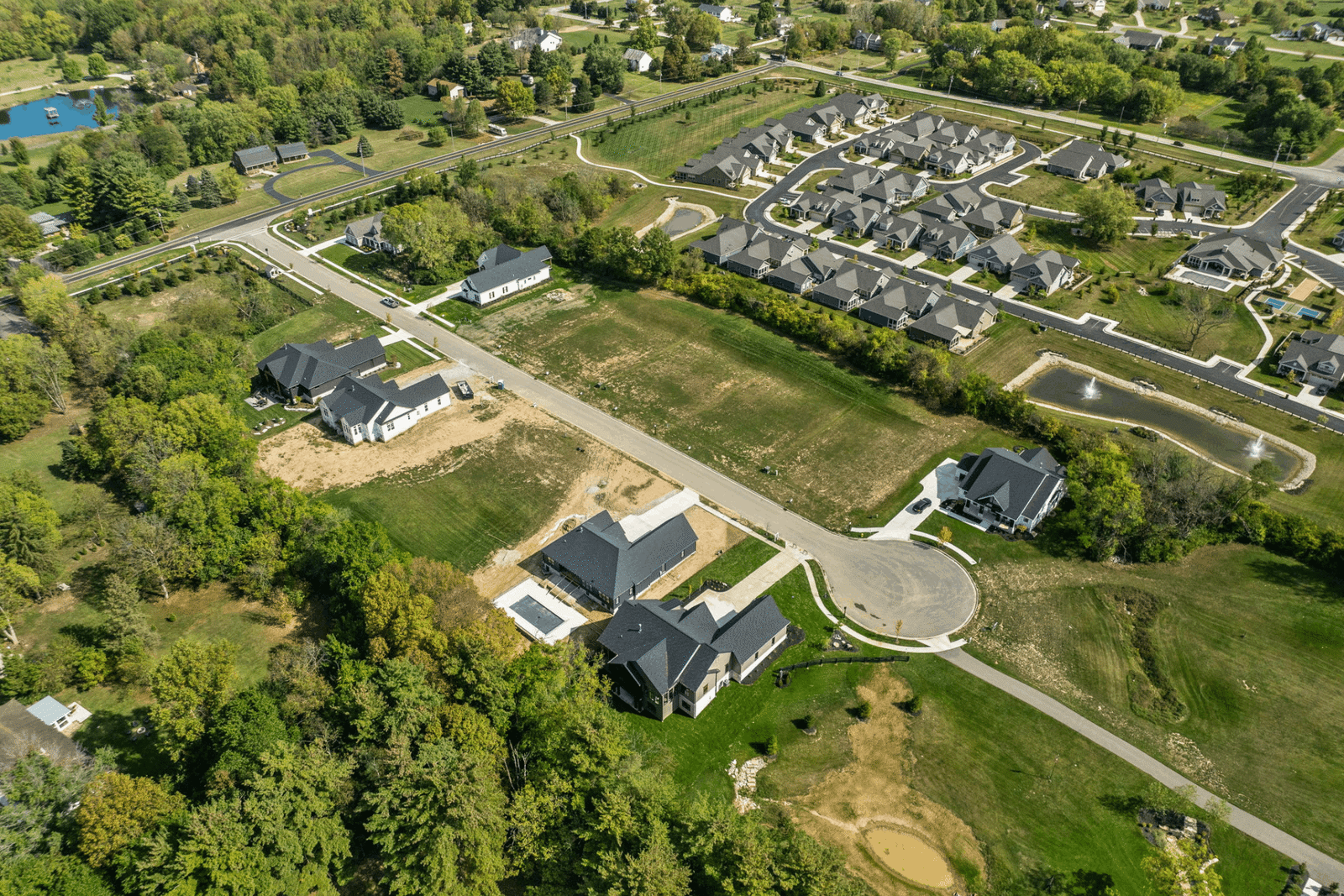
One of the biggest misconceptions in custom home building is assuming the house itself is the most complicated part of the project. In reality, the land often creates the biggest variables.
A property may look perfect on the surface while hiding major construction challenges underneath. Soil conditions, utility access, drainage, topography, septic feasibility, driveway placement, and zoning restrictions can all dramatically affect the cost and complexity of the project.
This is especially true throughout Ohio, Indiana, and Kentucky, where rural properties are common, and utility availability varies significantly from one township or county to another. Here are a few things you’ll need to consider when choosing land for your build:
#1: Soil Testing for Septic Systems
If the property requires a septic system, the soil must be tested to determine whether it can properly support one. Soil scientists evaluate absorption rates, compaction, and drainage before determining what type of septic system may be required.
#2: Utility Planning
Utility planning is another major factor. Buyers need to understand whether city water and sewer are available, where utility taps are located, how electric service will reach the homesite, whether natural gas is accessible, and whether a well or propane system may be necessary.
#3: Zoning
Then there are zoning restrictions and concerns about surrounding development. Certain Ohio townships restrict detached buildings or agricultural uses. Some Indiana municipalities require extensive permitting reviews. Rural properties in Kentucky may involve floodplain considerations, easements, or environmental restrictions. Even nearby commercial development plans can affect whether a property still feels desirable years down the road.
Step #2: Determine the Necessary Land Improvements
Once you’ve chosen your plot of land, it’s time to assess any improvements the area may need. You might be tempted to focus your budget almost entirely on the house itself, but the overall budget is actually made up of three separate categories:
-
the home
-
the land improvements
-
the land purchase itself
Land improvements range in cost, with lots in communities averaging $70-$80k and rural lots averaging $85-$95K. Land improvements include everything required to prepare the property for construction and long-term functionality. Depending on the property, that may include:
-
driveway installation
-
utility trenching
-
septic systems
-
Wells
-
grading
-
Excavation
-
retaining walls
-
Culverts
-
drainage systems
-
Landscaping/tree clearing
Step #3: Select Your Design
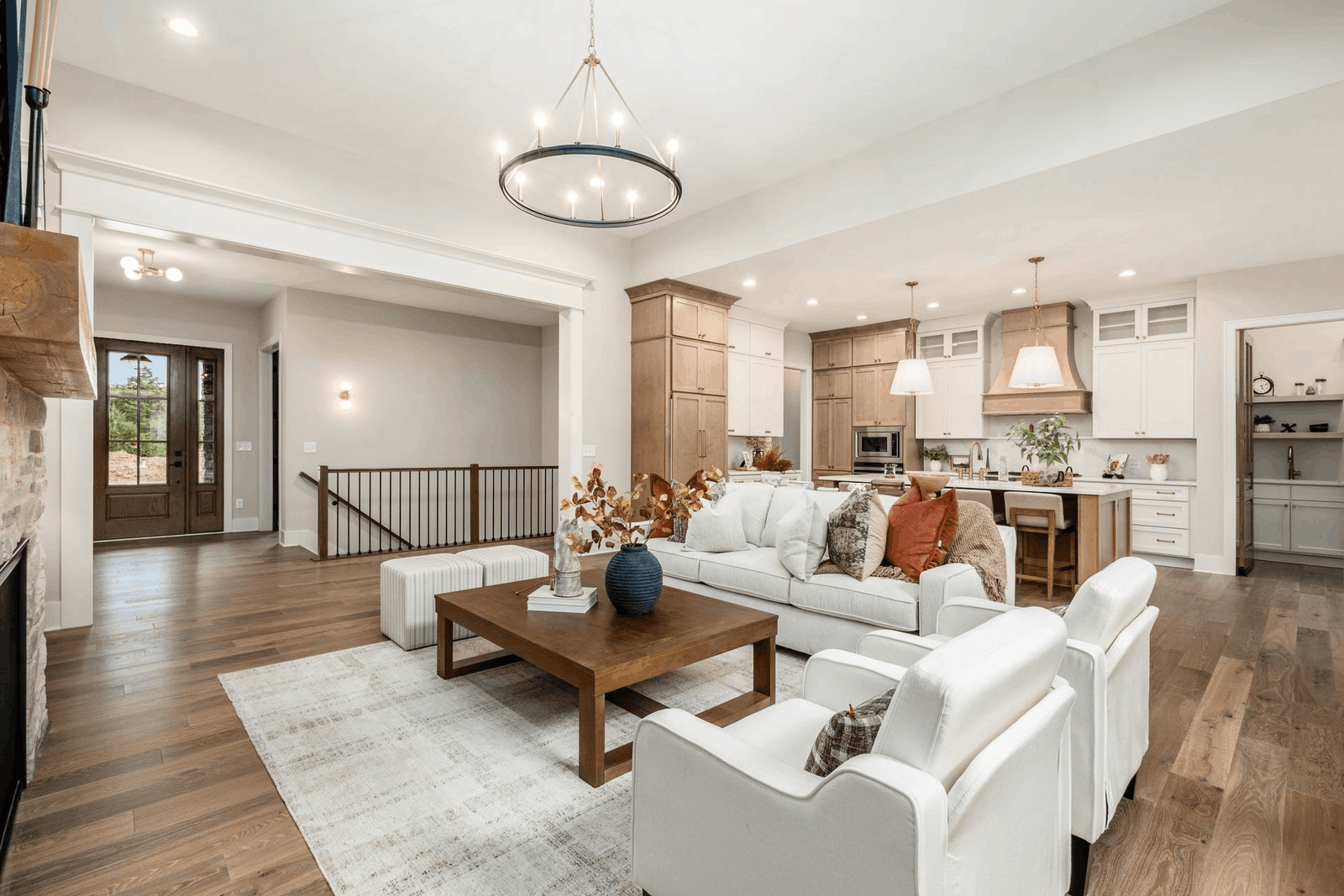
Once the land is understood, the home design process becomes much more productive. You could begin the design phase with an existing floor plan and make adjustments from there. Or you could design your dream home from scratch. Either way, the best design conversations go beyond square footage and aesthetics.
You’ll want to consider both how you want to live now and how you’ll want to live years from now. That includes conversations about gathering spaces, aging-in-place considerations, multigenerational homes, storage needs, future flexibility, traffic flow, accessibility, and how the home will function long term.
We’ve noticed a trend in prioritizing first-floor primary suites, open-concept layouts, walk-in showers, finished basements, and multi-generational living spaces. The goal isn’t just to design a beautiful house. It’s to design a home that allows you to age within its walls.
Step #4: Acquiring a Construction Loan
Once the land evaluation and design process is complete, financing moves forward. Most custom homes are financed using construction loans. Unlike traditional mortgages, construction loans fund the project in stages. The bank releases payments through scheduled draws as phases of construction are completed and inspected.
Not all lenders offer construction loans, which is why working with experienced lenders matters. Across Ohio, Indiana, and Kentucky, loan approval timelines often range from 30 to 45 days, depending on underwriting, appraisals, engineering reviews, and documentation requirements.
During this stage, engineering work, selections, and permit submissions usually happen simultaneously.
Step #5: Acquire Permits, Begin Engineering & Pre-Construction
Before construction can begin, several behind-the-scenes steps move forward simultaneously. Structural engineering, truss design, HVAC planning, utility coordination, permit applications, and interior selections all happen during the pre-construction phase. This stage is one of the biggest reasons the custom home building process takes longer than you might initially expect.
Permit timelines vary significantly depending on where the property is located. Some rural townships may move fairly quickly, while larger municipalities often require multiple departmental reviews before approvals are issued.
Ohio Permit and Zoning Requirements
In Ohio, permit requirements often depend on the city, township, and county where the home is being built. You’ll need approvals related to zoning, utilities, septic systems, driveway access, and stormwater management before excavation can begin. For Columbus-area projects, builders frequently work through:
Many rural Ohio properties also require septic approvals through local health departments before permits are finalized.
Indiana Permit and Zoning Requirements
Indiana municipalities often involve multiple review departments during permitting, especially in growing suburban areas. Depending on the property, approvals may include zoning review, drainage compliance, septic permits, utility coordination, and building inspections. The State of Indiana also provides statewide building and permitting resources through:
Because requirements vary by county and township, you should verify local regulations early in the process before finalizing land purchases or home plans.
Kentucky Permit and Zoning Requirements
Kentucky permit timelines vary heavily depending on the county and whether the property requires septic or environmental review. Rural properties often involve additional approvals tied to wastewater systems, grading, drainage, or utility access. State-level building and code information can be found through:
Because so many approvals happen before excavation starts, this stage often takes several months, depending on the municipality, land conditions, and pace of engineering reviews. Careful planning during pre-construction creates a smoother building experience later.
Step #6: Construction
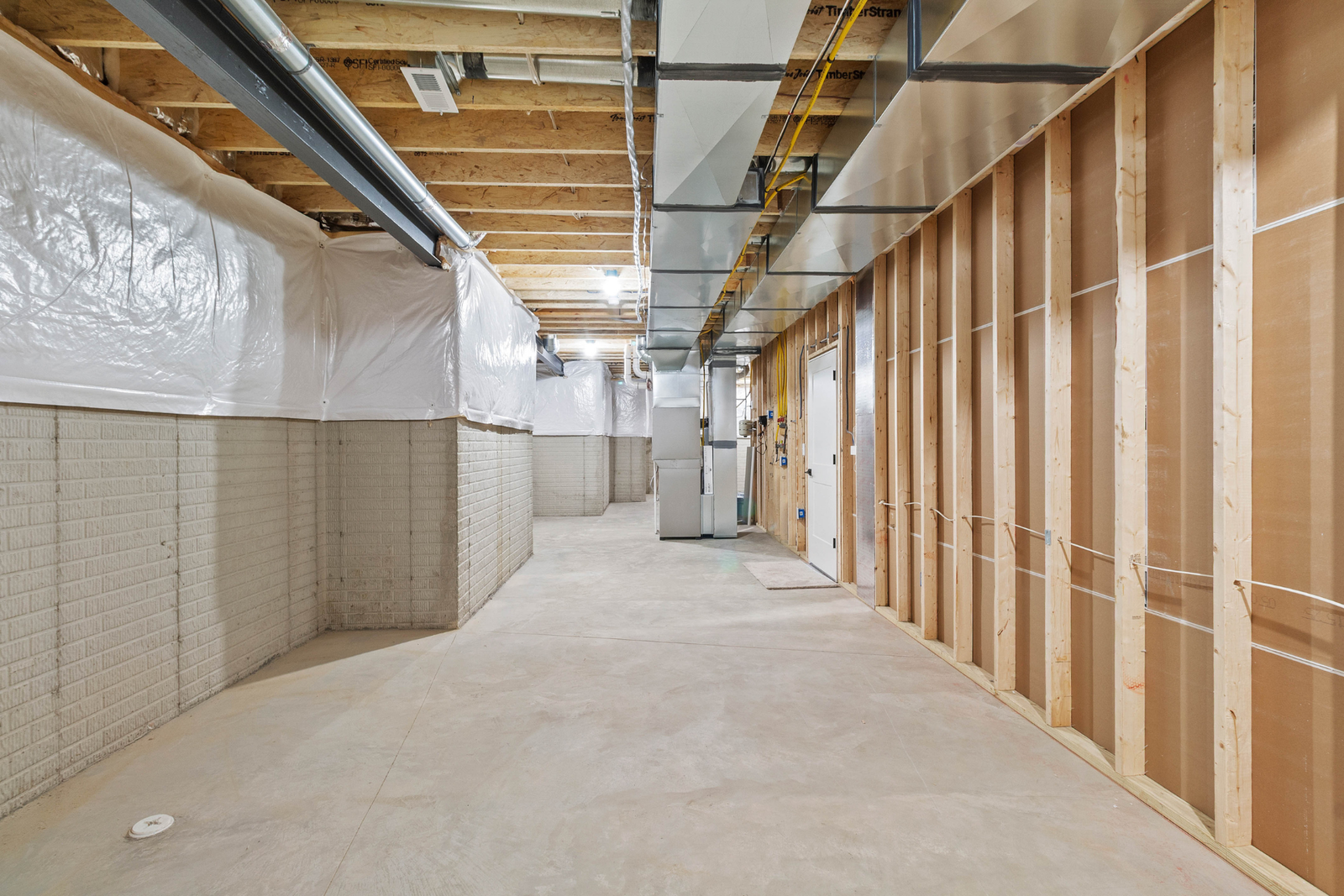
Once permits are approved and financing closes, excavation begins, and the home starts becoming real. Construction usually moves through several major phases:
- Phase 1: Excavation and foundation work
- Phase 2: Framing
- Phase 3: Mechanical installation, insulation, and drywall
- Phase 4: Interior finishes and final site completion
This is the step that you probably first imagined when you dreamed up building a custom home, but it’s actually the result of months of preparation beforehand. For most high-quality custom homes, the construction phase itself averages around eight months, depending on complexity, weather, and site conditions.
6 Cost Factors to Build a Custom Home
You might be tempted to compare builders using cost per square foot alone, but custom home pricing is much more layered than that. The land itself, the structure of the home, the level of finishes, and the location all play a major role in the final investment.
In Ohio, Indiana, and Kentucky, most high-quality custom homes currently fall within these approximate ranges before land costs:
-
Ohio: Most custom homes currently range from roughly $170–$300+ per square foot, depending on style, structural complexity, and finishes.
-
Indiana: Many custom homes average around $170–$290+ per square foot, depending on location, utilities, and product selections.
-
Kentucky: Buyers often see ranges between $150–$270+ per square foot, depending on site conditions, permitting requirements, and architectural design.
Those ranges generally reflect the “home only” cost and do not include land purchase or land improvements.
#1: Roof Complexity and Structural Design
The shape and structure of the home have a major impact on pricing. Large rooflines, vaulted ceilings, long spans, tall walls, structural beams, and complex framing layouts all increase labor and engineering costs. Homes with simpler roof systems and stacked floor plans are more cost-effective to build.
#2: Garage Size, Porches, and Exterior Features
Large front porches, covered outdoor living spaces, side-load garages, and oversized garages all add cost without necessarily increasing the livable square footage of the home. These features often improve the way a home lives day to day, but they also affect the overall price per square foot because they increase structural and material costs.
#3: Land Conditions and Site Preparation
The land itself can dramatically change the budget. Septic systems, wells, long driveways, grading work, retaining walls, tree clearing, utility trenching, and drainage solutions all fall under land improvements. For example:
-
Community lots in many areas may average around $70K–$80K in land improvements
-
Larger rural properties can often average $85K–$95K or more, depending on utilities and site conditions
#4: Basement Finishing and Additional Living Space
Finished basements are becoming increasingly popular because they add substantial living space at a lower cost per square foot than building upward or outward. Many ranch homeowners today choose to finish basements for entertainment spaces, guest suites, fitness rooms, or multi-generational living areas.
#5: Product Quality and Included Features
Lower pricing sometimes comes from lower-grade cabinets, weaker framing practices, fewer included features, or extremely limited design selections. You may not realize what was excluded until you reach the selection phase and discover that expensive upgrade costs await you. We believe you should understand exactly what is included from the beginning so you can make informed comparisons and avoid surprises later in the process.
The overall style of the home also affects pricing significantly. Two-story homes are more cost-effective because the living space is stacked vertically between the same foundation and roof system. Ranch homes typically cost more per square foot because the footprint spreads outward and requires a larger foundation and roof structure.
Features like first-floor primary suites, bonus rooms, oversized windows, and custom architectural details also shift the overall investment upward, depending on the complexity involved.
One of the most common questions buyers ask is how long the custom home building process takes from start to finish. The answer depends heavily on the land, permitting jurisdiction, weather, financing, and how quickly decisions are made throughout the design process.
The pre-construction phase typically takes around 5–6 months, depending on land evaluation, financing, engineering, and selections. Construction timelines can vary depending on the size and type of home. Once excavation begins, the construction process for the homes we build typically takes between 8 and 10 months.
That may sound lengthy, but careful planning during the early stages usually creates a smoother construction experience later.
That’s why we encourage you to start conversations earlier than you think you need to, especially if you’re hoping to move within the next 12–18 months. The earlier land, zoning, and budgeting conversations happen, the more flexibility you’ll have throughout the process.
How to Build a Custom Home: Frequently Asked Questions
Can Diyanni Homes Help Me Evaluate Land Before I Purchase It?
Yes. We regularly help buyers evaluate land before they purchase it. During our land evaluation process, a Field Manager visits the property to assess topography, utilities, drainage, septic feasibility, home placement, and potential construction challenges. If you have not purchased the property yet, we often recommend putting the land under a contingent contract while the evaluation is completed.
How Much Do Land Improvements Usually Cost?
Land improvement costs vary based on utilities, topography, driveway length, tree clearing, and septic requirements. As of 2026, many relatively straightforward lots range from approximately $65,000 to $85,000, while rural properties with wells and septic systems often trend toward the higher end. Land improvements include items such as driveways, utilities, grading, drainage, culverts, permitting, wells, and septic systems.
What Happens During a Site Evaluation?
During a site evaluation, a Diyanni Field Manager meets you at the property to discuss home placement, outdoor living goals, drainage, access, and how you plan to use the land. The evaluation typically includes rough staking, grade measurements, and a detailed review of site conditions. Most evaluations take about two hours onsite, with customized land improvement estimates delivered within a few weeks.
Who Handles Permits and Engineering?
DiYanni Homes handles the home's engineering and manages the building permit process. Certain site-specific permits and utility coordination may require homeowner involvement because the property is owned by you, but the team provides guidance throughout the process so you understand exactly what is needed and when.
How Will I Stay Informed During Construction?
Communication is a major part of the custom home building process. Homeowners receive updates throughout construction regarding scheduling, selections, progress, and upcoming decisions. Diyanni also uses Buildertrend technology, allowing homeowners to monitor schedules and view progress remotely while staying connected to their project from anywhere.
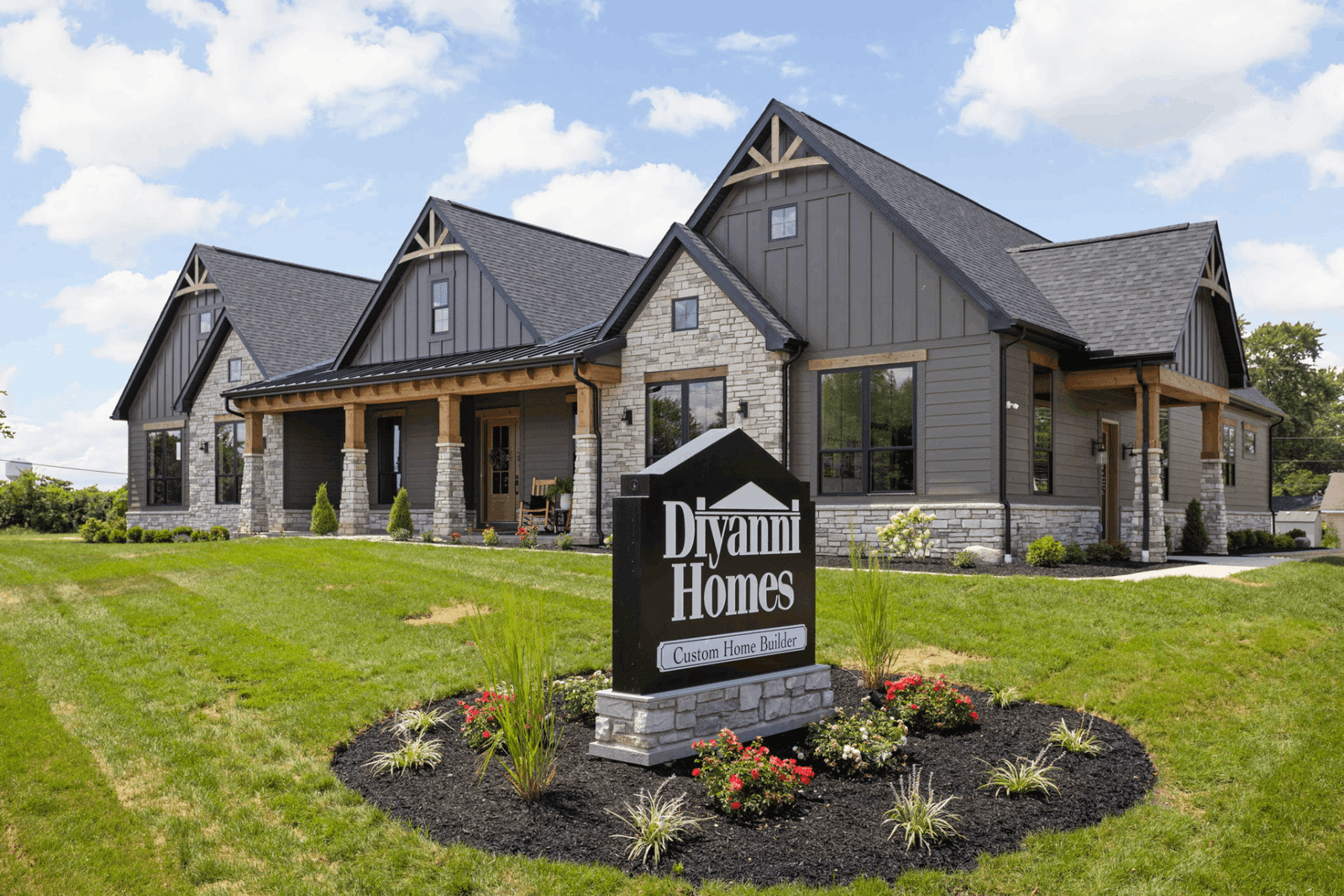
From land evaluation to final walkthrough, Diyanni Homes helps families across Ohio, Indiana, and Kentucky build with clarity, transparency, and long-term peace of mind. Let’s build your forever home together.