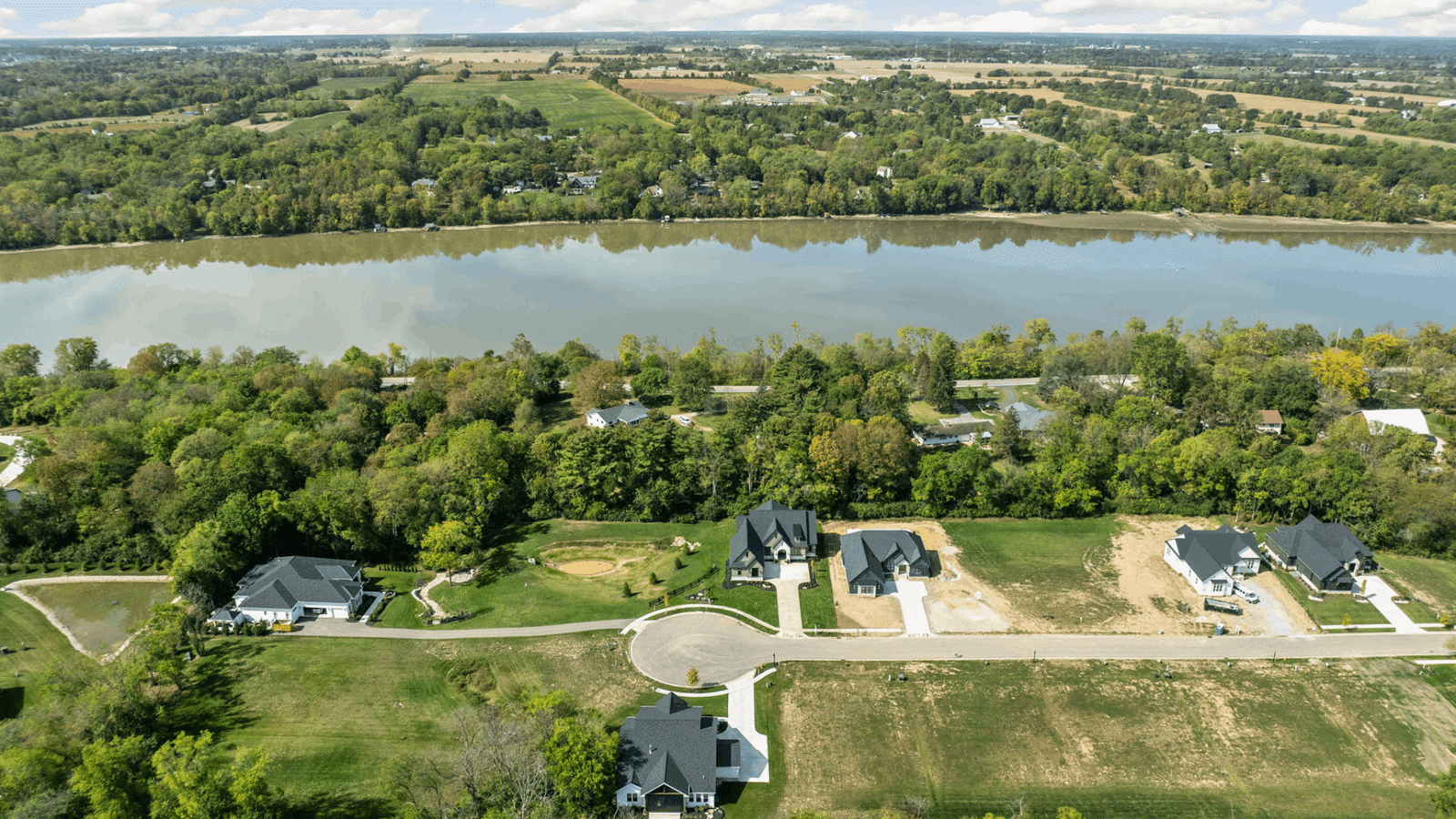
After weeks of scrolling through listings, driving country roads, and imagining where your future home could sit, you finally find it. The trees are exactly what you pictured. The view is beautiful. You can already imagine the front porch, where the driveway will lead, and how your family will spend the next chapter of life there.
Then someone asks a simple question: "Have you checked if the land can actually support the home you want to build?" It's a question many buyers don't think to ask until after they've fallen in love with a property.
Buying land isn't just about finding enough acreage or a great view. It's about making sure the property supports your home, your budget, and the life you want to build there. Utilities, zoning, drainage, septic systems, and site conditions all play a role in what happens next, and understanding those details before you buy can save you time, money, and unnecessary surprises.
That's exactly what we'll walk through in this guide. You'll learn how to evaluate land with confidence, ask the right questions before making an offer, and avoid some of the most common mistakes people make when buying property for a custom home.
How Buying Land Is Different Than Buying a House
You can walk through any existing house and see much of what you’re buying. But vacant land comes with unknowns that may not be visible during a showing.
Utilities may be unavailable or expensive to reach. Zoning, soil, drainage, access, and topography may change your plans and costs. A land-buying checklist helps you investigate and ask the right questions before excitement becomes the decision maker.
Start With Your Vision Before You Start Looking
The right property supports how you want to live now and how you want to live years from now.
Think about privacy, acreage, schools, commute, and maintenance. Consider whether you want first-floor living, space for aging parents, room for grandchildren, or a multigenerational home.
Future plans matter too, as you think about aging in place and long-term use of your home. A pool, workshop, detached garage, or another home for a relative affects which properties are a good fit.
How to Buy Land: Our 6 Step Process
Ready to take the leap and explore the perfect plot of land for your dream home? Here is our step-by-step process for identifying the best property for your custom home build.
Step #1: Determine Your Total Budget Before Looking at Land
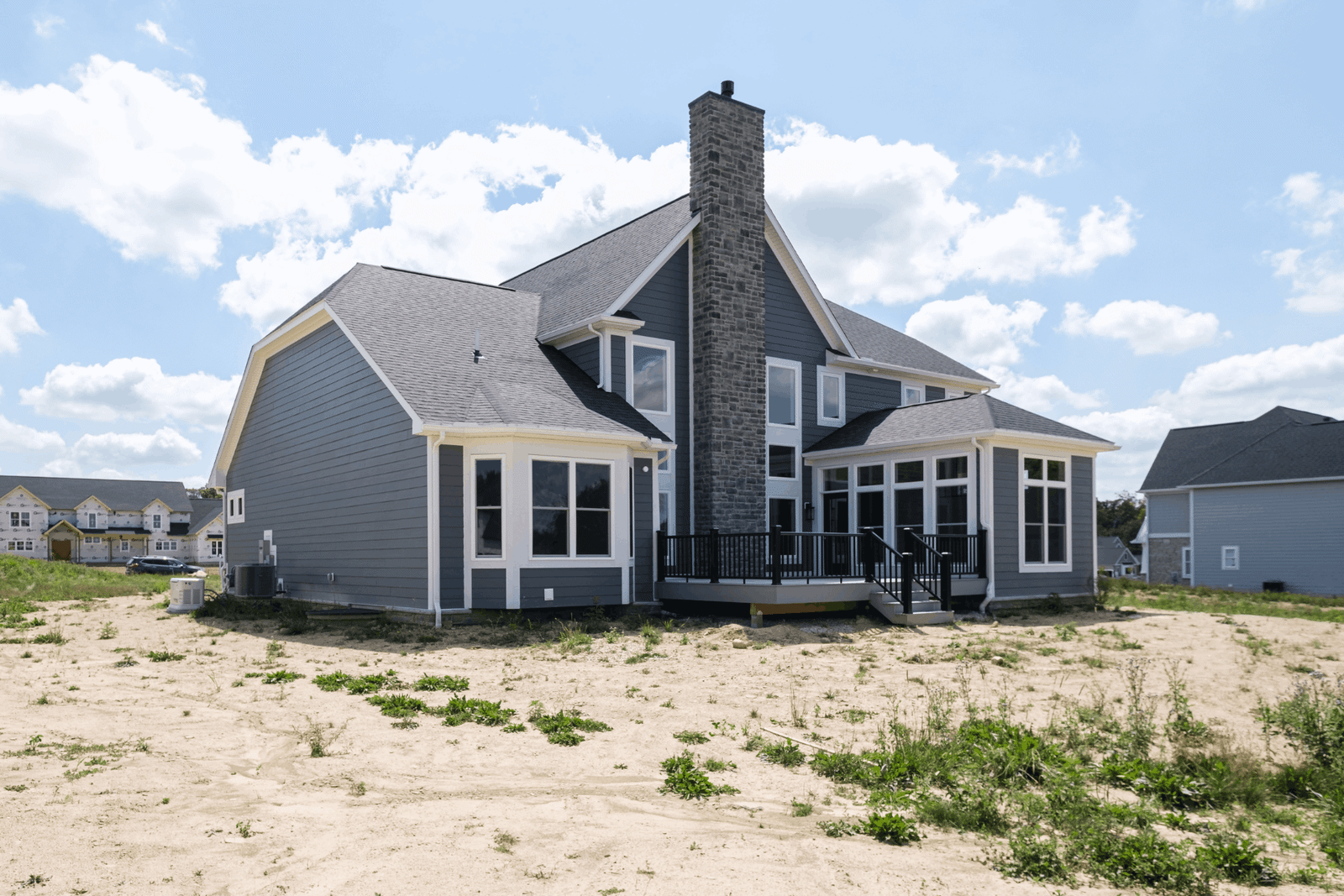
When buying land to build a house, three areas shape the budget: the home, land improvements, and the land itself. We suggest reviewing them together before deciding what you can spend.
The Cost of the Land
If you are searching for land for custom homes, start with your all-in budget and work backward after allowing for the house and site work.
Land Improvement Costs
Land improvements may include the driveway, utilities, septic or sewer, well, grading, drainage, clearing, and municipal fees.
The Cost of the Home
Home-only pricing covers the structure. Size, plan, roofline, porches, garage, windows, foundation, and selections can change that number. You can explore Diyanni home plans while keeping the property and total budget in view.
Step #2: Make Sure the Land Can Actually Support a Home
Once your budget is worked out on paper, confirm that the ground can support the foundation and required utilities.
Soil Conditions
When a public sewer is unavailable, a licensed soil scientist can evaluate septic feasibility and system type. Soil testing may also identify compaction concerns that affect the home or driveway location.
Foundation Requirements
Some sites need geotechnical analysis to review bedrock, soil bearing capacity, and footing conditions so the foundation design responds to the property.
Home Placement
The homesite shapes drainage, privacy, sun exposure, views, garage orientation, and driveway access. A slope may create an opportunity for a walkout basement or daylight windows. During our land evaluation process, we review the topography and consider how the home can use the property well.
Step #3: Understand the Utilities Before You Buy
Utility cost depends on more than whether the service is nearby. You need to know where it begins, whether you can connect, and how far it must travel.
Water and Sewer
Confirm public water and sewer availability, tap locations, fees, and installation costs from the connection to the home.
Wells
Not all well water is the same. Nearby well logs may offer useful information about typical depth, flow, and local water conditions.
Septic Systems
A septic design may depend on the soil report, health department requirements, bedroom count, and system location. If you’re buying rural land, this can be one of the larger site costs.
Electric Service
Identify the provider, closest service point, and route to the homesite. A longer underground run may require more trenching, wire, or equipment.
Natural Gas vs Propane
If natural gas is available, confirm connection and installation costs. Otherwise, propane may work, with tank placement, appliance compatibility, and heating choices planned with the home.
Step #4: Research Zoning Restrictions and Property Rules
What to know before buying land includes what you can build today and what you may want to add later.
Zoning Regulations
Confirm permitted uses, setbacks, home placement, structure size, animals, and subdivision requirements with the local zoning authority.
HOA Restrictions
An HOA may regulate home size, exterior materials, fencing, pools, and accessory structures.
Deed Restrictions
Deed restrictions may limit detached garages, workshops, ponds, pools, or architectural details even when zoning permits them.
Easements and Right-of-Ways
We worked with a buyer who wanted to build a home and a horse ranch. When we researched the property, we found that the intended use wasn’t permitted, so they chose another piece of land rather than committing to one that couldn’t support their plans.
That was a zoning issue, but easements and right-of-ways can create a similar mismatch. Utility, access, and drainage easements may affect where the home, driveway, septic system, or future structures can sit, so you’ll want to understand them before purchasing the property.
Step #5: Understand What's Happening Around the Property
A land evaluation checklist should look beyond the property lines. The surrounding area may affect the lifestyle you’re trying to create.
Future Development Plans
We worked with a family who wanted to get away from traffic and noise. During due diligence, we learned that nearby land was being rezoned for a large development.
The property itself could support their home, but the future surroundings didn’t fit the life they were trying to create, so they kept looking. Review proposed developments and rezoning applications that may change density, traffic, views, or privacy.
Commercial Growth
Nearby retail, office, or industrial projects may affect lighting, noise, and traffic.
Road Expansions
Planned road work may change access, travel patterns, and the future character of the area.
School District Changes
Families choosing land partly for schools should research possible redistricting, new facilities, closures, and growth plans.
Agricultural Uses Nearby
Nearby farms may bring equipment, livestock, dust, odors, and seasonal traffic. Those conditions may be part of the setting you want, but you should understand them before deciding the property is right for you.
Step #6: Verify Property Rights Before Closing
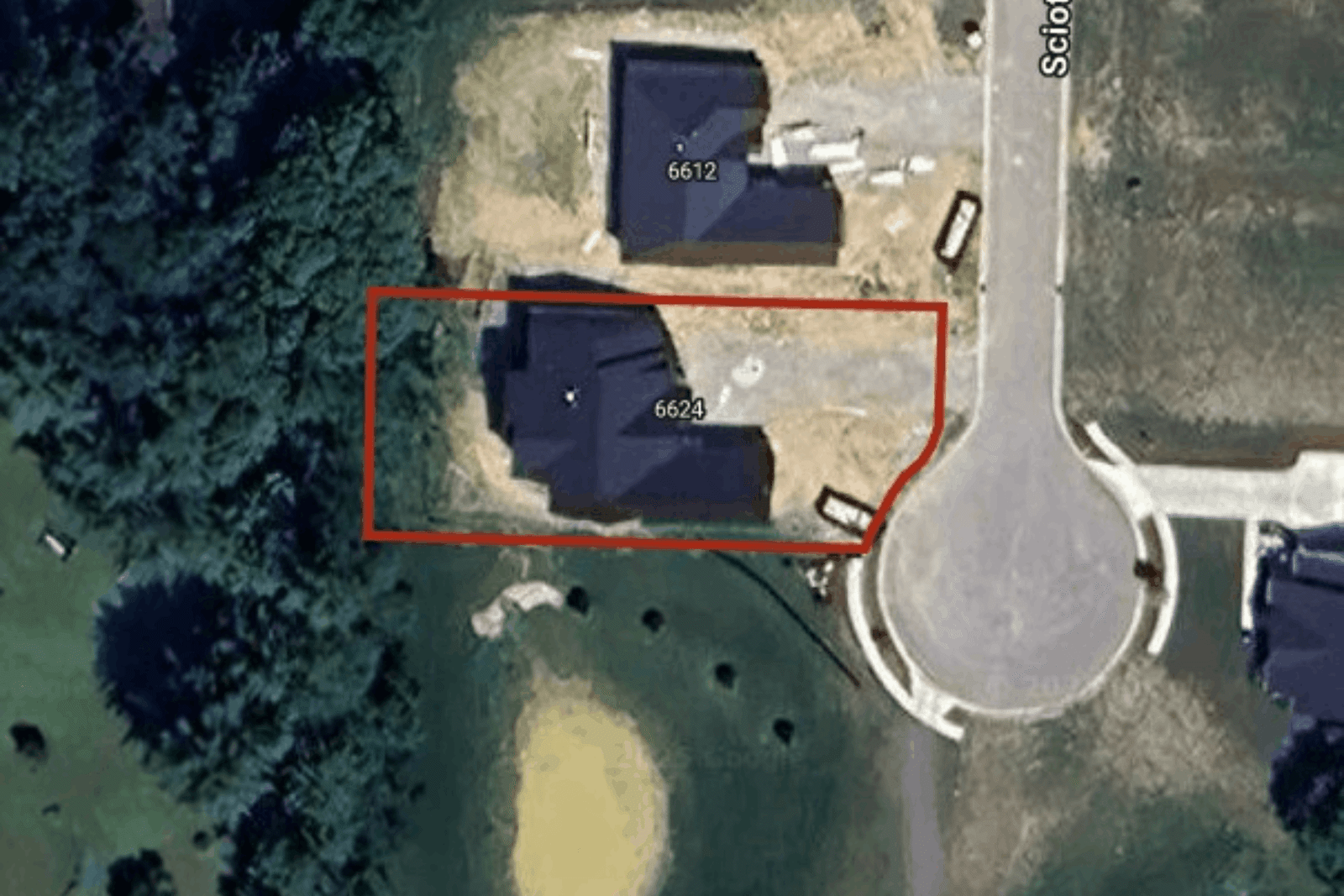
Buying land for a custom home doesn’t always mean every visible asset or underlying right transfers with it. Before closing, confirm which rights and assets come with the land.
Property Boundaries
Review the survey, plat, and legal description. Fences, structures, or drives crossing boundary lines should be resolved before purchase.
Timber Rights
Confirm whether timber rights transfer with the property. Trees may stand on the land while harvesting rights belong to another party.
Mineral Rights
Mineral rights may have been sold or leased separately and can remain with another owner after the land changes hands.
Existing Encumbrances
Liens, leases, easements, and access agreements may affect how the property can be owned or used.
Title Research
A title company and appropriate legal professionals can research recorded rights and encumbrances. The bottom line is simple: get the answers before purchasing the property.
Common Mistakes People Make When Buying Land
Falling in Love Before Doing Due Diligence
A beautiful view can make unresolved questions feel smaller than they are. Keep the purchase dependent on the evaluations and approvals the property needs.
Assuming Utilities Are Available
A utility described as “nearby” may still require approval, fees, trenching, and a long run to the home.
Ignoring Zoning Restrictions
A property may allow a house while restricting animals, outbuildings, pools, or future subdivision.
Underestimating Driveway Costs
Length, clearing, slopes, drainage, culverts, streams, bridges, and finish material can take more of the budget than expected.
Not Understanding Future Development
Research the surrounding area when privacy, views, or reduced traffic are part of why you’re moving.
Choosing Land Before Setting a Budget
Expensive land or site work can leave less for the home. Our advice is to set the total budget first.
Why Land Evaluation Is the Most Important Part of Building a Custom Home
A land evaluation connects the property to the home, lifestyle, and budget. Our process includes a site visit, home-location stakes, topography and drainage review, driveway orientation, utility and septic research, cost projections, and a satellite site map.
We understand this isn’t something you do every day. We review improvements item by item and show how they fit into the custom home building process. If you’re still searching, we can also help you find land for a custom home before you make the purchase.
How to Buy Land: Frequently Asked Questions
How much land do I need to build a house?
There is no single acreage requirement. It depends on the home footprint, setbacks, septic and well needs, driveway, topography, utilities, and future plans.
Should I buy land before talking to a builder?
Talk with a builder or qualified land professional before closing so the property can be compared with the planned home, site needs, and budget.
How do I know if land is buildable?
Buildability depends on zoning, legal access, soil, septic or sewer, utilities, drainage, setbacks, restrictions, and the planned home.
What is a land evaluation?
A land evaluation reviews home placement, access, topography, utilities, wastewater, water source, drainage, restrictions, and estimated site-work costs.
What utilities should I check before buying land?
Check public water, sewer or septic, electric, natural gas or propane, and internet where relevant. Confirm availability and the cost to reach the homesite.
Can I build on rural land without public sewer?
Often, yes, when zoning and health department requirements allow an approved septic system and the soil can support the required design.
How much do land improvements cost?
In 2026, land improvements for a typical community lot will often range from $70,000 to $80,000. The actual cost requires a site-specific evaluation.
What zoning issues should I look for before buying land?
Review permitted use, setbacks, building locations, accessory structures, animals, subdivision rules, minimum home requirements, and exterior standards.
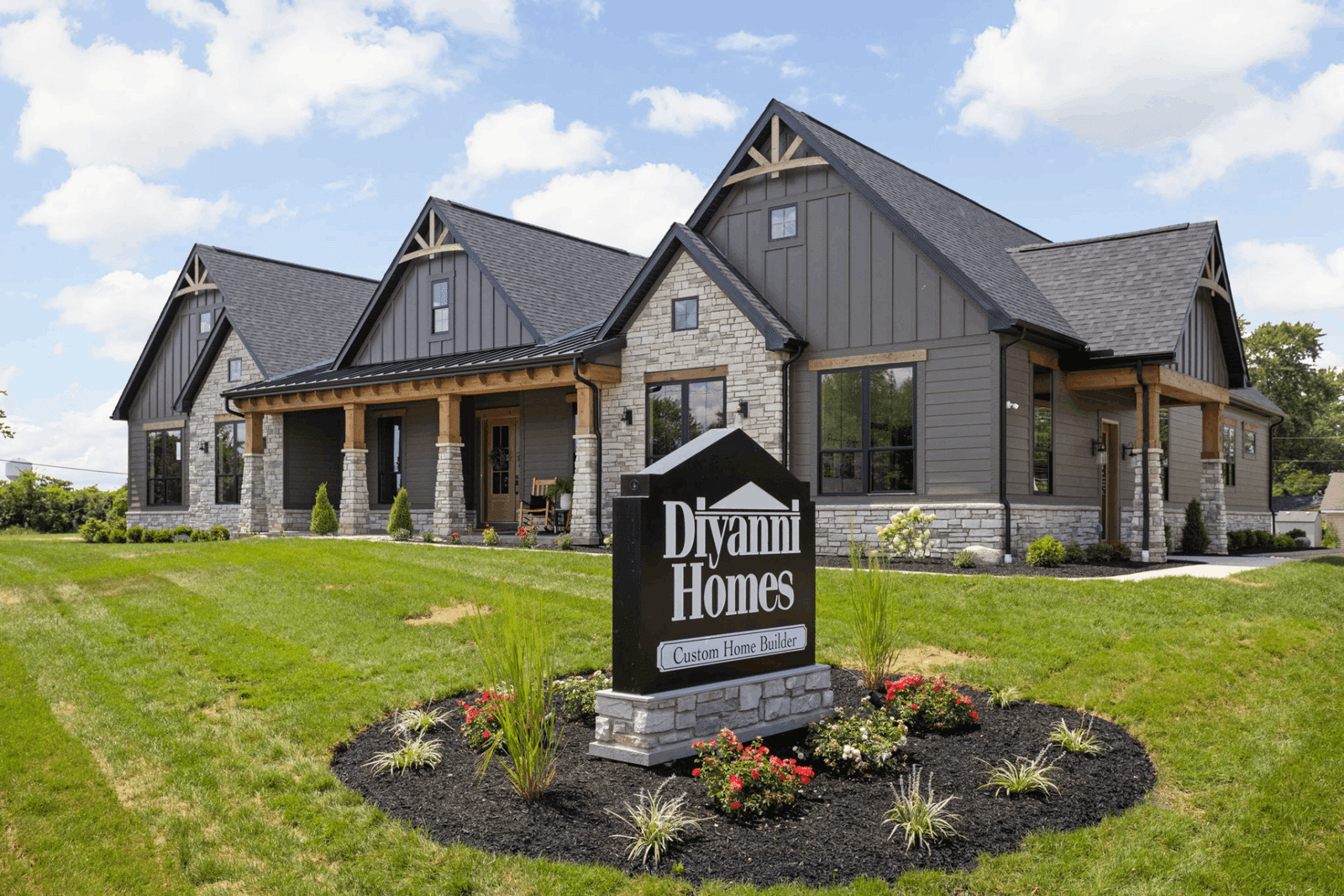
We help families understand the land, estimate the improvements, and connect the property to the home plan before moving forward. Let’s bring you home.