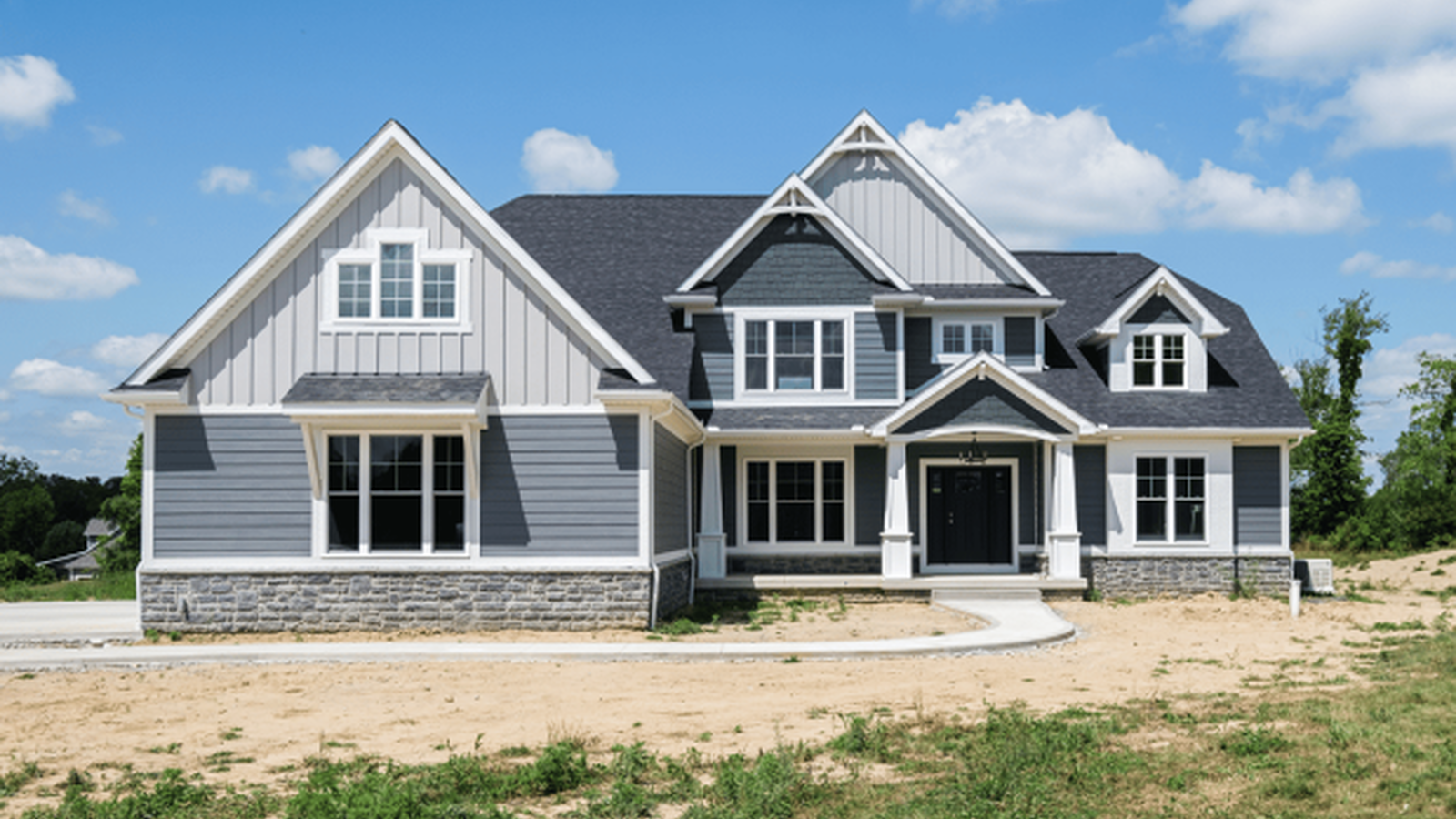
You've got a piece of land. Maybe it's been in your family for years, or you finally bought that acreage you've been eyeing. Now you're ready to build a custom home on it. But how to build on your land isn't quite as straightforward as you might think.
I've been building custom homes for over 40 years, and one thing I've learned is that owning land doesn't automatically mean it's ready for a house. Before we start designing or digging, we need to understand what the property will allow, what improvements it needs, and what it'll cost.
This guide walks you through the process, step by step, so you’ll make informed decisions before breaking ground and avoid expensive mistakes.
Step #1: Confirm You Can Build What You Want
Just because you own the land doesn't mean you can build anything you want on it. Local zoning rules, setbacks, lot coverage limits, easements, and deed restrictions all influence your plans.
For example, you might picture a sprawling ranch with a detached garage, only to discover that setback requirements limit where those structures can sit. Homeowners associations, access requirements, and flood risk and floodplain maps introduce other considerations too.
Part of building on your own land is confirming what's permitted with your local zoning and building authorities before choosing a floor plan. And don't assume that because your neighbor built something, you'll automatically have the same options.
Step #2: Determine How You'll Access the House
A driveway seems pretty straightforward until you start looking at what it actually takes to build one.
Does your property have road frontage? Will you need a new driveway entrance, culvert, or shared access easement? Is the ground steep? Can construction trucks and emergency vehicles reach the future home?
I've said this before, but it's worth repeating: a 100-foot driveway and a 700-foot driveway aren't the same budget. Long driveways, challenging slopes, and drainage crossings add considerable expense before we've poured a single yard of concrete.
Step #3: Figure Out Water, Sewer, and Septic
One of the first things we investigate when building a house on your own land is how water gets in, and wastewater gets out. Your property will need access to either public water and sewer or private systems.
If public utilities are available, we'll determine where the connections are, how far service lines need to run, and what fees apply. The farther your house sits from those connections, the more expensive installation can become.
Rural properties often require a private well and septic system instead. Soil conditions, available space, and local health department requirements affect whether these systems are possible, where they can go, and what they'll cost.
Step #4: Evaluate the Soil, Slope, and Drainage
That beautiful hilltop offers incredible views. But it might also require substantial excavation, a longer driveway, or a foundation designed for challenging terrain.
We evaluate the property's topography, soil conditions, drainage patterns, and potential building locations. Those findings determine whether a basement makes sense, how the driveway should approach the home, and whether grading or retaining walls are necessary.
The goal is to identify potential challenges before they become expensive problems. Understanding how water moves across the property, how stable the soil is, and how the land slopes helps us design a home on your land that's practical to build and built to last.
Step #5: Uncover the True Cost of Land Improvements
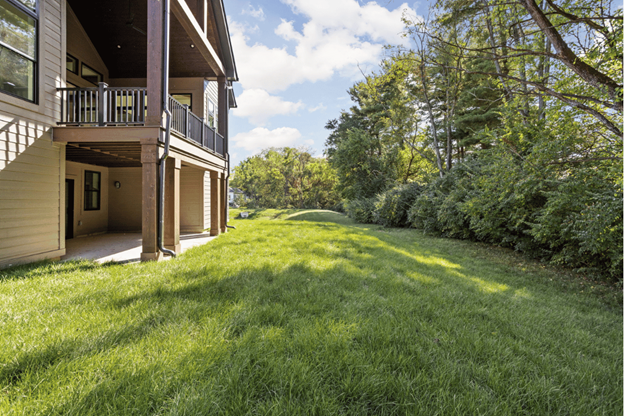
Land improvements are everything required to turn your property into a construction-ready homesite, including driveways, utilities, wells, septic systems, excavation, grading, drainage, clearing, and permits.
For general 2026 planning, Diyanni's land improvement estimates average approximately $70,000-$80,000 for community lots and $85,000-$95,000 for larger rural properties. Your property's specific conditions determine the actual investment.
Step #6: Involve Your Builder Before Costly Mistakes
I've seen homeowners buy land, hire an architect, spend thousands developing plans, and then discover the design doesn't fit their property or budget. I'd much rather have that conversation before the plans are finished, as would your bank account.
At Diyanni Homes, our Land Team helps evaluate your property so we connect the home design, site requirements, and budget early. We identify potential challenges with utilities, grading, or house placement so you understand how those factors affect your options.
That's a much better approach than designing your dream house and hoping the land cooperates.
Step #7: Design A Home That Works With Your Land
Once we understand the property, we start designing a house that makes sense.
Think about where sunlight enters the home, which rooms should capture the best views, and how the garage connects to the driveway. A sloping property offers an opportunity for a walkout basement, while septic areas or utility locations might limit other options.
You can customize a Diyanni floor plan, bring your own design, or start with a completely custom idea. Either way, we want the house and property working together, not competing with each other.
Step #8: Build a Budget That Covers the Entire Project
When homeowners ask me what it'll cost to build a house on their own land, I want to make sure we're talking about the entire project.
At Diyanni, we separate the investment into three parts: the house, the land, and the land improvements. If you already own the property, you may not need to purchase land, but its value and any outstanding debt still matter when arranging financing.
Start with your comfortable total investment, account for the site work, and determine what remains for the home. Our 2026 custom home cost guide explains how these costs fit together.
Step #9: Discuss Your Land Equity With a Lender
Here's a potential advantage of building a home on property you own: the equity you've built in that land will likely help with your construction financing.
Let's say your land appraises for $150,000 and you owe $50,000. That's approximately $100,000 in equity. Depending on your lender and loan program, some of that equity may count toward your required contribution.
Don't assume the lender will recognize the entire amount, though. Ask how your land will be appraised, what equity qualifies, and how it affects your financing. We build homes, not loans, but we can help you understand the construction information your lender will need.
Step #10: Complete Engineering, Permits, and Planning
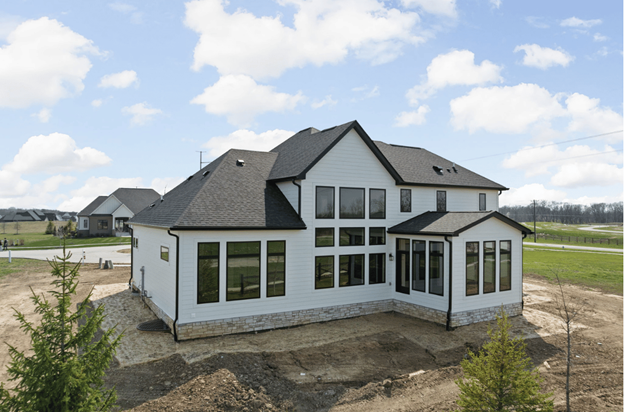
You've evaluated the property, developed the home design, and established your budget. So why aren't the excavators rolling in yet? Because there's still important work happening behind the scenes.
Final site plans, engineering, septic approvals, utility coordination, permits, financing, product ordering, and construction scheduling all need to come together. This part of Diyanni's homebuilding process gets the details locked in to prevent problems once construction begins.
Step #11: Prepare the Homesite and Start Building
Now you'll finally see equipment arriving on your property. Depending on the site, crews begin clearing, establishing access, grading, excavating, and preparing for the foundation.
Once the foundation is complete, construction moves into framing, major systems, insulation, drywall, and finishes, with inspections along the way. Our custom home guide walks through that process in more detail so you know exactly what to expect.
What Makes Building on Your Own Land More Expensive?
The acreage itself isn't always what drives the cost. It's what we have to do to make the homesite work. Extensive tree clearing, long driveways, steep slopes, difficult excavation, utility extensions, septic systems, wells, and drainage improvements all increase your investment.
Two properties of the same size can have wildly different development costs. That's why I'd never recommend making major budget decisions based on acreage alone.
Should You Buy Land Before Choosing a Builder?
You can, but talking with a builder first is the smarter move.
An experienced build-on-your-lot builder identifies potential challenges before you purchase. At Diyanni, we evaluate zoning, access, utilities, soil conditions, and likely improvements so you understand what you're considering.
If you're still searching and want some insider advice, our guide to buying land to build a house is a great place to start. Or we’re happy to team up and find your dream property together.
The same basic property questions apply whether you're building in Ohio, Central Indiana, or Northern Kentucky. But the local requirements won't necessarily be the same - nor are the construction loan requirements.
Depending on your homesite, you may need approvals from zoning departments, building officials, health departments, utility providers, or road authorities. Septic regulations, driveway permits, and building requirements differ between neighboring counties.
That's why local experience matters. We understand what your specific property and jurisdiction require long before plans are finalized and ground is broken, which avoids some expensive surprises.
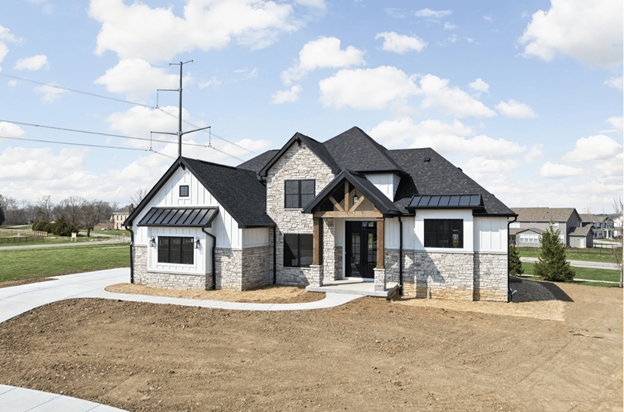
Already own land? Bring it to us. Looking at a property you're considering purchasing? Bring that, too.
You don't need to know where the house should sit, what the driveway will cost, or which floor plan will work best before starting a conversation. Those are exactly the things we help homeowners figure out.
If you're considering building in Ohio, Central Indiana, or Northern Kentucky, schedule a consultation today.
Building on Your Own Land: Frequently Asked Questions
Is It Cheaper to Build on Your Own Land?
Not necessarily. If you already own the land, you won't need to budget for purchasing property, which can reduce your upfront costs. But you'll still need to pay for land improvements like utilities, driveway access, grading, and potentially a well or septic system.
Can I Build Whatever I Want on My Property?
No. Owning land doesn't mean you can build anything you want on it. Zoning regulations, setbacks, deed restrictions, easements, and site conditions limit the size, design, and placement of your home. Have your builder evaluate the property before finalizing your plans.
How Much Does It Cost to Prepare Land for a House?
Diyanni's general 2026 planning ranges are approximately $70,000-$80,000 for community lots and $85,000-$95,000 for larger rural properties. Actual costs vary based on driveway length, utilities, septic, grading, drainage, and other site requirements.
Can I Use Land I Own Toward a Construction Loan?
Potentially. Your lender may allow some of your existing land equity to count toward the amount you're required to contribute. The recognized amount depends on the appraisal, existing debt, and loan program.
Should I Choose a Floor Plan Before Evaluating My Land?
I'd recommend evaluating the property first. Site conditions can influence the home's placement, foundation, garage orientation, driveway, utilities, and overall budget. It's easier to adapt a design early than make costly changes later.
Does Diyanni Homes Help Evaluate Land?
Yes. Diyanni has a dedicated Land Team that helps homeowners evaluate property considerations such as zoning, access, utilities, soil, and development costs. We want you to understand what it'll take to build before making major commitments.