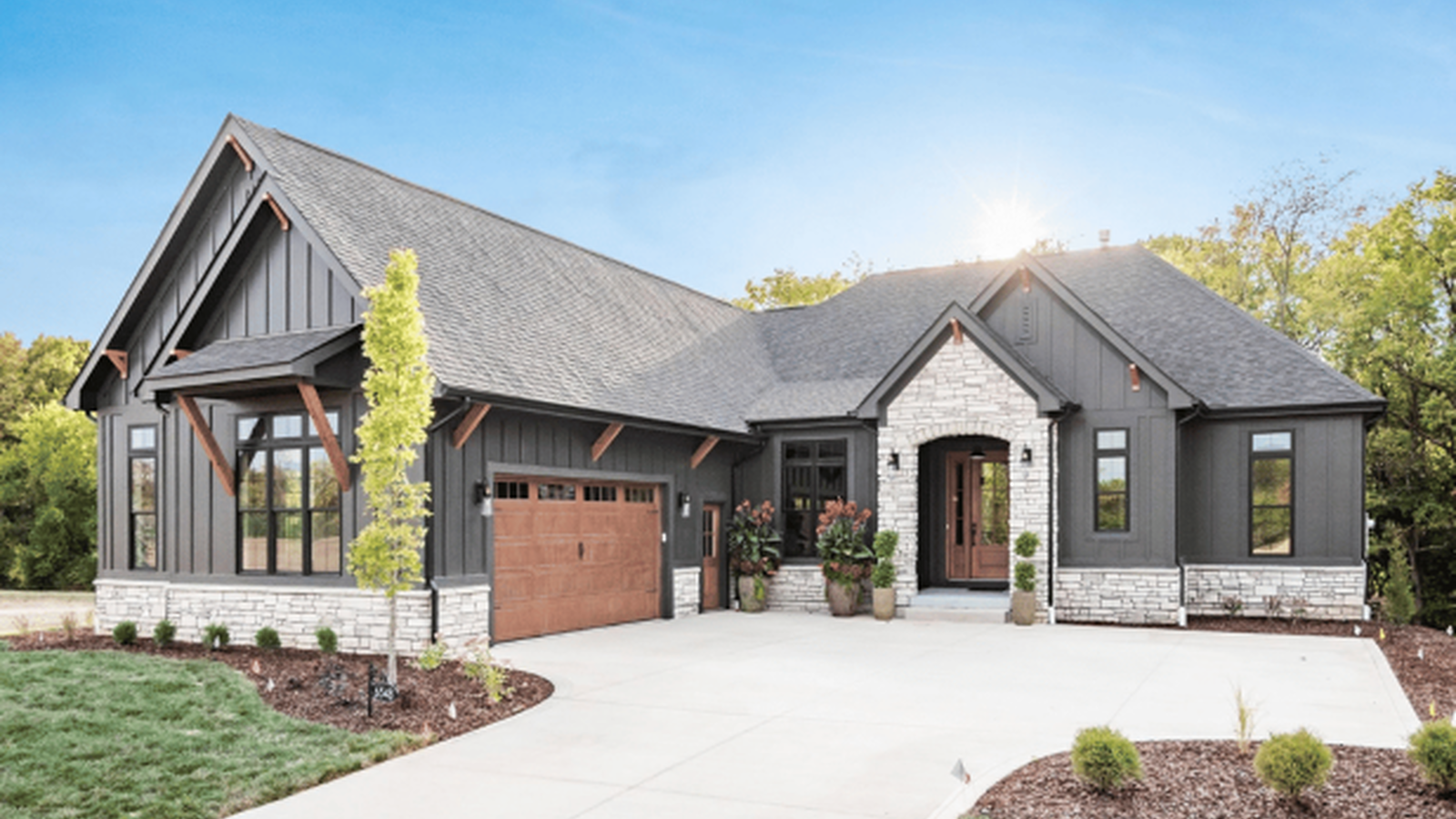
Picture the exciting parts of building your custom home. Watching the foundation go in. Walking through rooms as the framing takes shape. Seeing the kitchen you've been imagining finally come together.
But there are quite a few steps to building a house, and many occur before the first shovel hits the dirt. If you've never built a custom home before, figuring out where to start feels like a project of its own.
I've been building custom homes for over 40 years, and so often I hear, "Ray, where do we even start?" My answer? Long before construction. Let's walk through the steps to building a house, what happens along the way, and how to get from that first idea to your new front door.
What Are the Steps to Building a House?
The custom home building process includes 12 major steps. Some steps overlap, but understanding this home-building sequence helps you make the right decisions at the right time:
-
Establish your goals and budget.
-
Find the right property.
-
Evaluate the land.
-
Choose your builder.
-
Design your home.
-
Finalize your budget and financing.
-
Make your design selections.
-
Complete engineering and permitting.
-
Prepare the site and build the foundation.
-
Frame the house and install major systems.
-
Finish the interior and exterior.
-
Complete inspections, walkthroughs, and move in.
Step #1: Set Your Budget Before Choosing a Floor Plan
The custom home building process begins with deciding what you're comfortable investing in the entire project. That includes three things: the house, the land, and the land improvements needed to make your property buildable.
Next, separate your must-haves from your nice-to-haves. Maybe first-floor living is non-negotiable, but that finished basement can wait. Think about your family's needs today and what they’ll be 20 years from now.
I've watched homeowners get attached to expensive designs before establishing a realistic budget, and let me tell you: I'd much rather help you design around your priorities from the beginning than start cutting features later.
Step #2: Find the Right Property
Already own land? Great. If not, finding and buying the right property is an important early step in the house building process.
But don't let a beautiful view distract you from what's happening underground. Zoning restrictions, utilities, drainage, soil conditions, driveway access, and septic requirements all affect what you're able to build and what it'll cost.
My advice? Talk to your builder before buying land. A few conversations upfront save you from purchasing a gorgeous piece of property with some very expensive surprises.
Step #3: Evaluate Your Land to Avoid Costly Surprises
Here's something I wish more homeowners understood: the price of your house and the cost of getting your land ready for it are two different numbers.
Our Land Team evaluates where the home will sit and what it will take to prepare the property. That includes excavation, grading, clearing trees, installing utilities, digging a well, or building a driveway.
Ask for a detailed breakdown of estimated land improvement costs. A vague allowance doesn't tell you much, especially when one property needs a 100-foot driveway and another needs 700 feet. We want to understand those costs before finalizing your house budget.
Step #4: Choose A Custom Home Builder You Trust
The builder you choose will influence both the home you end up with and your experience getting there. You'll be working together for months, making decisions, navigating challenges, and bringing your plans to life. You want someone you trust to guide you through it.
As you compare builders, look beyond floor plans and pricing. Ask what's included, how changes are handled, who you'll communicate with, and how they maintain quality. Make sure you understand their warranty, too.
We've been building custom homes at Diyanni since 1979, and if there's one thing I've learned, it's that the process matters just as much as the finished product. You're not just choosing who builds your house. You're choosing who helps you get there.
Step #5: Design a Home Around Your Life and Land
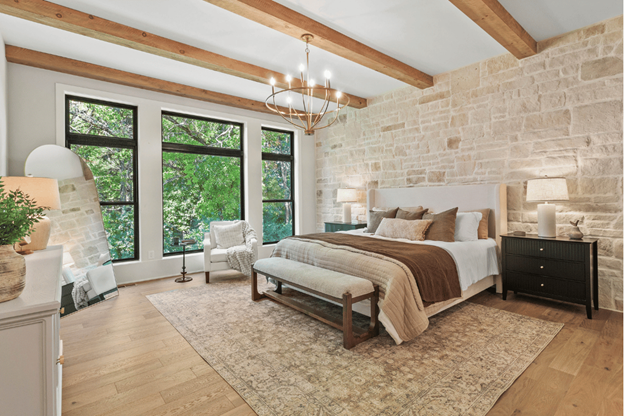
Now we get to the floor plans. At Diyanni, you can customize one of our existing plans, bring us a plan you love, or create something entirely custom.
Think about use and function here. How will your family move through it? Do you want your kitchen connected to the great room? Space for aging parents? A garage big enough for your hobbies?
A beautiful exterior won't make up for a layout that frustrates you every morning. Start with how you want to live, then explore floor plans that support it.
Step #6: Finalize Your Budget and Secure Financing
Once your plans, specifications, and property costs come together, it’s time to establish a more complete project budget and move toward financing approval.
Your construction lender reviews your finances, property, contract, plans, appraisal, and builder information. Unlike a traditional mortgage, construction financing usually releases money in stages called draws as work progresses.
Start lender conversations early, even while you're designing. Our guide to construction loans explains the process in greater detail, and we even break down custom home construction loan requirements for Ohio, Indiana, and Kentucky.
Step #7: Make Your Design Selections
Time for the fun stuff. Cabinets, countertops, flooring, lighting, plumbing fixtures, doors, paint colors. This is where the home starts feeling unmistakably yours.
It's also where decisions affect more than appearances. Your selections influence pricing, product orders, installation schedules, and which trades need to be on-site.
That's why we work through selections before construction gets too far along. Deciding on your kitchen faucet seems minor compared with pouring a foundation, but late decisions create a domino effect on the schedule.
Step #8: Complete the Critical Pre-Construction Work
You might drive past your property and wonder why nothing's happening yet. In your head, you’re thinking, “How long does it really take to build a house?” Meanwhile, quite a bit is likely going on behind the scenes.
Engineering, site planning, permits, utility coordination, financing, and construction scheduling need attention before we're ready to build. Requirements vary depending on whether you're building in Ohio, Indiana, or Kentucky, and even between local jurisdictions.
This pre-construction stage takes time, but it's important work. It’s when we resolve as many questions as possible on paper before they become problems in the field.
Step #9: Prepare Your Homesite and Build the Foundation
Now you'll finally see equipment rolling onto the property. Depending on the homesite, crews may clear vegetation, grade the land, excavate, and prepare the area for the foundation.
Then comes foundation construction, waterproofing, drainage, backfilling, and underground utility work as needed. It's not the most glamorous stage, but everything above ground depends on getting the work below ground right.
Step #10: Frame Your House and Install Major Systems
This is one of my favorite stages. Suddenly, those lines on your floor plan become actual rooms. You’re able to walk through the structure of your kitchen, stand where your bedroom will be, and start imagining furniture.
After framing, crews work through roofing, windows, exterior doors, plumbing, electrical, heating, cooling, and other major systems. Required inspections take place along the way, followed by insulation and preparation for drywall.
Some of the most important craftsmanship in your home will eventually disappear behind finished walls. That's why attention to detail matters a lot in this stage, long before the pretty finishes go in.
Step #11: Finish the Interior and Exterior
Here's where those selections you made months earlier finally come to life.
Drywall transforms exposed framing into rooms. Cabinets, trim, tile, countertops, paint, flooring, fixtures, and appliances follow as the trades work through their schedules. Outside, exterior finishes and remaining site work continue.
Don't expect everything to happen in a perfectly straight line. Some trades overlap, and weather influences exterior work. But bit by bit, your construction site starts looking like home.
Step #12: Complete Final Checks and Get Your Keys
Before you get the keys, the home goes through final inspections, quality checks, and any necessary corrections.
We'll walk through the completed home with you, explain its important systems, review warranty information, and help you understand what to expect as a new homeowner. Diyanni also provides a 30-year structural warranty.
Then comes the moment you've been working toward: opening the front door to a custom home designed around your family.
How Long Does the Entire House-Building Process Take?
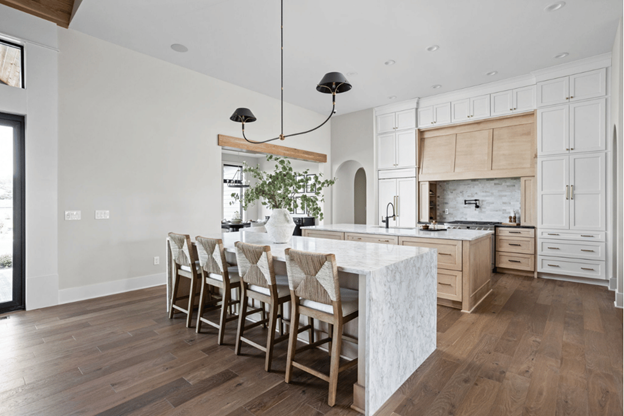
So how long does it take to build a house? For a typical Diyanni custom home, plan for approximately 13–14 months, including five to six months of planning and pre-construction followed by around eight months of active construction.
Your actual house-building timeline varies based on the property, customization, financing, permits, selections, weather, and material availability. Some stages overlap, so the process won't necessarily move through 12 perfectly separate blocks of time.
Ready to Start Building Your Custom Home?
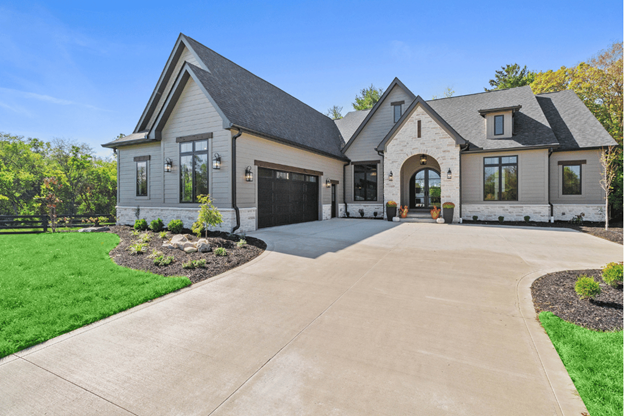
You don't need to arrive at your first meeting with purchased land, finished blueprints, and every financing question answered. Maybe you've found a property. Maybe you've saved a few floor plans. Or maybe you just know it's time for a home that fits your family better.
That's enough to start a conversation. If you're considering building in Ohio, Indiana, or Kentucky, schedule a consultation with us today. We'll figure out your next steps together.
Steps to Building a House: Frequently Asked Questions
What Are the Steps to Building a House in Order?
The process starts with establishing your budget and goals, finding and evaluating land, choosing a builder, and designing your home. Next come financing, design selections, engineering, and permits. Once construction begins, crews prepare the site, build the foundation, frame the house, install major systems, and complete the finishes.
Do I Need Land Before Contacting a Builder?
No. In fact, we recommend talking to your builder before purchasing property when possible. Evaluating land early uncovers costs or restrictions you might otherwise miss. We help you understand what it'll take to build on a particular property before you commit to buying it.
Should I Secure Financing Before Choosing a Floor Plan?
Start the financing conversation early. Budgeting, design, land evaluation, and lending often overlap, but understanding your comfortable investment and home-building loans guides design decisions. The last thing you want is to fall in love with a floor plan only to discover it doesn't fit your budget.
How Long Does It Take to Build a Custom Home?
A custom home takes about 13–14 months from planning through construction, although each home's timeline depends on its specific requirements. That generally includes five to six months of planning and pre-construction, followed by around eight months of active construction.
What Part of Building a House Takes the Longest?
Active construction usually takes the longest, averaging around eight months for a custom home. Planning and pre-construction take another five to six months. Within construction, framing, installing major systems, inspections, and interior finishes all take time, and some stages overlap.
What Should I Know Before Building a Home?
Understand your total investment before making major decisions. Your budget needs to account for the house, land, and land improvements. Get your builder involved early, ask questions about what's included, and understand the full timeline.