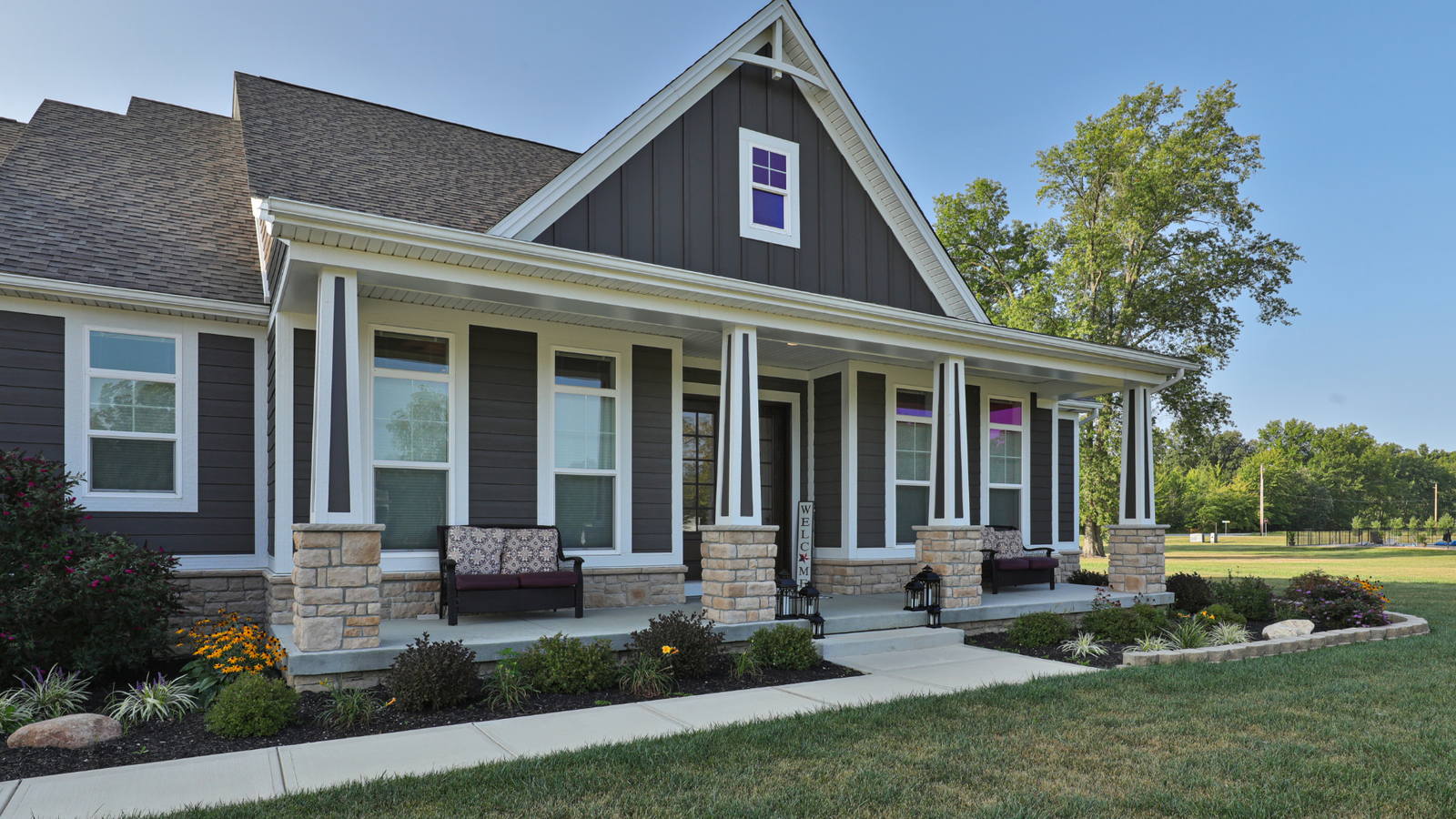
You can already picture move-in day. Your furniture is in place. The kitchen finally works the way you’ve always wanted it to. You’re sitting on the back porch looking out over the piece of land you chose specifically for this home.
There’s just one question between that picture and reality: How long does it take to build a house?
For a custom home, the answer is usually longer than the construction timeline you see online because building doesn’t begin with excavation. Months of work happen before the first piece of dirt is moved.
At DiYanni Homes, a typical custom home project often involves about five to six months of planning and pre-construction followed by approximately eight months of active construction. That means many homeowners should plan on roughly 13 to 14 months from the early planning stages through completion, with some homes taking longer depending on the property and design. Here’s what actually happens during that time.
How Long Does It Take to Build a House From Start to Finish?
A realistic custom home timeline is often around 13 to 14 months from early planning to completion. That commonly includes five to six months before excavation and approximately eight months to physically build the house.
Your timeline may look different depending on how much customization is involved, the property you’re building on, financing, local permit approvals, weather, material availability, and the decisions you make along the way.
That distinction between pre-construction and construction matters. The U.S. Census Bureau tracks residential construction timing in separate phases as well, including the period from authorization to construction start and the period from start to completion.
When you’re building a completely custom home, some of your most consequential decisions happen before the construction clock even starts.
The First 5–6 Months: What Happens Before Construction?
You might be surprised by how much needs to happen before you see an excavator on your property.
This part of the process is where your land, home design, budget, financing, selections, and construction details begin working together.
At DiYanni Homes, we place a lot of emphasis on this stage because good preparation gives the construction team a much clearer path once building begins.
Start With Your Goals, Property, and Budget
The process starts with a conversation about the home you want to build. You don’t need to walk into that first meeting with every answer. You may already own land and have a floor plan in mind.
You may have saved a dozen inspiration photos but still be deciding what style of home makes sense. You may know exactly where you want to live but have no property yet. That’s all normal.
The first conversations help connect the bigger picture: where you want to build, how you want the home to function, your approximate investment, and when you would ideally like to move.
If you haven’t purchased property yet, it’s worth involving your builder earlier rather than later. Our guide to buying land for a custom home explains why the property can have such a significant impact on the rest of the project.
Evaluate the Land
Your property isn’t simply the place where the home happens to sit. It affects the entire build. During the land evaluation, we look at how the home could sit on the property and what it will take to prepare the site. Topography, drainage, driveway placement, utilities, septic feasibility, grading, tree clearing, and the possibility of a walkout basement can all come into the conversation.
The goal is to connect the home design to the actual land before you get too far into planning. A beautiful slope might create the perfect walkout basement. A long setback could give you the privacy you want while also increasing driveway and utility costs. A rural lot without public sewer will need a completely different plan than a homesite with existing municipal utilities.
Design and Price Your Custom Home
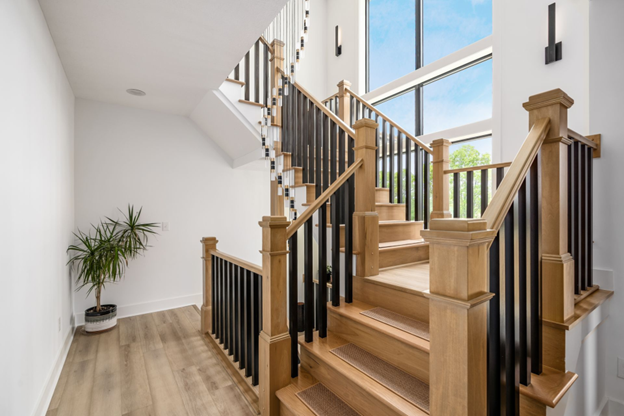
While the property is being evaluated, the home design can begin taking shape. You might start with one of the DiYanni floor plans, modify an existing design, bring plans you’ve already purchased, or create something completely custom.
This stage isn’t simply about choosing how many bedrooms you want. You’re thinking about how you live.
Maybe you want a ranch because this is the home you plan to stay in for decades. You may need a first-floor suite for aging parents. Perhaps the entire reason you’re building is to finally have the garage, kitchen, outdoor living space, or multigenerational layout you could never find in an existing house.
The plans and preliminary pricing develop together so you can understand how those choices affect the overall investment. If cost is one of your biggest questions, our 2026 custom home cost guide breaks down current home-only pricing, land improvements, and the factors that influence cost per square foot.
Construction Financing Adds Another Important Phase
Once your land has been evaluated and the home design and pricing are moving toward completion, financing becomes a bigger part of the timeline. Custom homes are commonly financed with construction loans rather than ordinary purchase mortgages.
The lender needs to evaluate more than your credit and income. They also need information about the proposed home, including plans, specifications, contract pricing, and the property itself.
An appraisal is then completed based on what the home is expected to be worth when construction is finished. For DiYanni projects, the construction loan process often takes around 45 days, give or take.
That doesn’t mean everything else stops while the bank works. Engineering and selections can continue during the financing process, which helps several pieces of pre-construction move forward together.
Engineering, Selections, and Final Planning
Once your floor plan is taking its final form, the details required to actually construct the home need to be completed.
Structural engineering moves forward. Trusses and mechanical systems need to be coordinated. Final drawings take shape. At the same time, you begin choosing the materials and finishes that will make the home yours.
This part should be exciting. You’re finally choosing the cabinetry you’ll see every morning, the flooring that runs through your main living spaces, and the exterior materials that will define the home from the road.
It can also take time. Some homeowners know exactly what they want and move through selections quickly. Others prefer to sit with choices before committing. We believe you should have enough information to make decisions confidently rather than feeling rushed through them simply to meet an arbitrary schedule.
How Long Do Building Permits Take?
Once the plans, financing, engineering, and required selections are ready, the project moves through permitting. A general planning estimate for this phase is around 30 days, although the actual timeline depends heavily on where you’re building.
A rural township in Ohio may have a different review process than a larger municipality. An Indiana project may involve county-level approvals or onsite wastewater requirements. Kentucky permitting can differ depending on the city or county where the property is located.
This is why local knowledge matters. If you’re building around Columbus, our Columbus Area Zoning Checklist explains many of the zoning and permitting questions buyers should investigate before construction.
Once the required permits have been approved, the excavation date can finally be scheduled. And that’s when the house begins to physically take shape.
How Long Does It Take to Build a House After Excavation?
For a high-quality custom home, DiYanni’s active construction cycle generally takes about eight months from excavation to completion. You’ll start seeing changes quickly.
Excavation creates the footprint. Footings and foundation walls follow. The structure begins rising from the ground as framing turns plans you’ve been studying for months into actual rooms you can walk through.
Once the home is framed and protected from the weather, the mechanical work begins. Plumbing, electrical, and HVAC systems are installed behind the walls. Insulation and drywall follow.
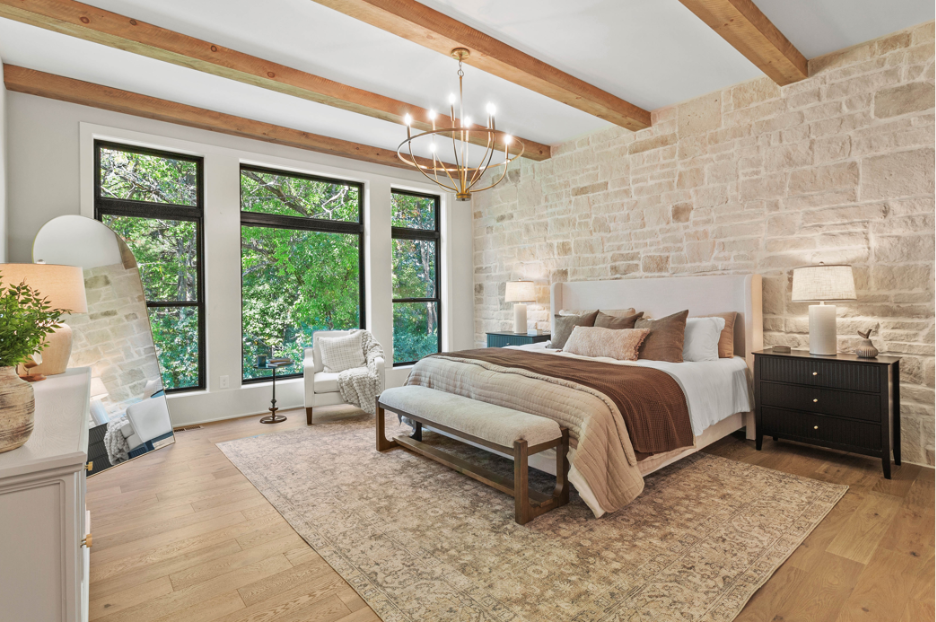
Then the experience changes again. Cabinetry arrives. Trim goes in. Flooring begins to cover the subfloor. Tile, paint, fixtures, hardware, and other finishes gradually make the structure look less like a construction site and more like the home you’ve been imagining.
Toward the end, final site work and inspections are completed before your final walkthrough. That’s the moment when months of planning finally turn into keys in your hand. You can see the broader sequence on our custom home building process page.
What Can Make a Custom Home Take Longer?
No builder can responsibly promise that every custom home will take exactly the same amount of time. Your land alone can change the schedule.
A wooded site may require additional clearing. A property with difficult soils could require more engineering. Rural land can involve septic work, longer utility runs, or additional coordination before construction begins.
The home itself matters too. A highly customized design with complex structural details naturally requires more planning than a relatively straightforward modification to an existing floor plan.
Then there are things nobody completely controls. Persistent rain can affect excavation and exterior work. Winter weather can interfere with certain stages of construction. Special-order products can occasionally take longer to arrive.
Changes also affect the schedule. If you decide halfway through planning that you want to move a wall, add several windows, or substantially change part of the floor plan, the plans, engineering, pricing, or permits may need to be updated. That’s why making thoughtful decisions during pre-construction is so valuable.
How Can You Help Keep the Building Timeline on Track?
The best thing you can do is start earlier than you think you need to. If you hope to move into a custom home next year, don’t wait until next spring to begin conversations. Start talking with a builder while you still have options.
If you’re buying land, bring your builder into the conversation before closing whenever possible. If you already own property, begin evaluating how the home will fit the site. Get clear about the total budget early so you aren’t redesigning the home after you’ve fallen in love with a plan that doesn’t fit the investment.
And when selections or approvals come your way, stay engaged. You don’t need to make rushed choices. You simply want to keep the conversation moving and ask questions whenever something isn’t clear.
How Will You Know What’s Happening During Construction?
Eight months is a long time to wonder what’s happening with your house. You shouldn’t have to. Throughout the DiYanni building process, homeowners receive communication about schedules, upcoming decisions, construction progress, and significant milestones.
We also use technology that allows you to follow your project and see progress even when you can’t be at the property. There are walkthroughs at meaningful points throughout construction so you can see how the home is developing and ask questions along the way.
The goal is simple: you should understand what’s happening now and what comes next.
How Long Does It Take to Build a House in Ohio, Indiana, or Kentucky?
For most DiYanni custom homes across Ohio, Indiana, and Kentucky, a good starting expectation is approximately five to six months of planning and pre-construction followed by around eight months of construction.
The exact timeline depends more on the individual property, local approval process, and home than the state itself.
In Central Ohio, local township, municipal, or county requirements can affect permitting. Indiana properties may involve different county requirements for septic systems, drainage, or access. In Kentucky, local building and zoning processes vary by jurisdiction and by the type of property you’re developing.
The important thing is that these questions are addressed before the dig date rather than discovered during construction.
Start Planning the Home You’ll Live In for Decades
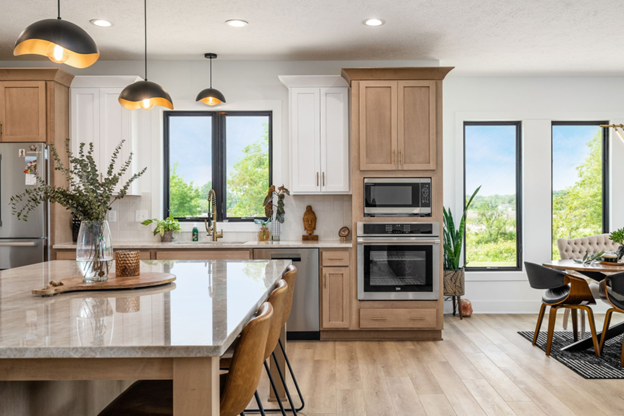
Building a custom home takes time because you’re not choosing a house someone else already designed. You’re making decisions about your land, your floor plan, and the way you want to live for years to come. Those decisions deserve thoughtful planning.
If you’re hoping to build in Ohio, Indiana, or Kentucky, schedule a consultation with DiYanni Homes. You don’t need to have the land, finished plans, or every answer before you reach out. You simply need an idea of where you want to go. We’ll help you understand what comes next.
How Long Does It Take to Build a House? Frequently Asked Questions
Can you build a custom home in six months?
A fully custom home commonly takes longer when you include both planning and construction. At DiYanni, active construction itself generally takes around eight months, with approximately five to six months of pre-construction beforehand.
How long does pre-construction take?
Plan on roughly five to six months for many custom projects. That period can include land evaluation, home design, pricing, financing, engineering, selections, and permits.
Does the construction timeline start when I sign the contract?
Not exactly. A significant amount of work takes place between the early agreement and excavation. Plans, financing, engineering, selections, and permits need to reach the appropriate stage before construction begins.
Does building on your own land take longer?
It can require additional work upfront because the property needs to be evaluated for utilities, septic or sewer, topography, driveway access, drainage, and other site-specific conditions.
When should I contact a custom home builder?
Ideally, start the conversation 12 to 18 months before the date you hope to move. Starting early gives you time to evaluate land, develop the design, secure financing, and make thoughtful decisions without unnecessarily rushing the process.
What happens after the home is finished?
Before move-in, the home goes through final inspections and a detailed walkthrough. You’ll review the home’s systems, discuss warranties, address final questions, and then receive the keys.